Neo-Literati Residence
By the shores of Meixi Lake in Changsha, 8C has crafted a villa for a three-generation family. The household’s temperament, as gentle and composed as fine jade, guided the design to forgo flashy gestures. Instead, with an almost "purposeless" sincerity, space is returned to the daily interplay of air, dappled light, and lake waters. Through the lens of “the everyday poetics of architecture and function”, the serene sensibility of the Eastern literati is translated into a contemporary residence that resonates deeply with the dwellers' inner spirit.
Photo: ZhaoLong
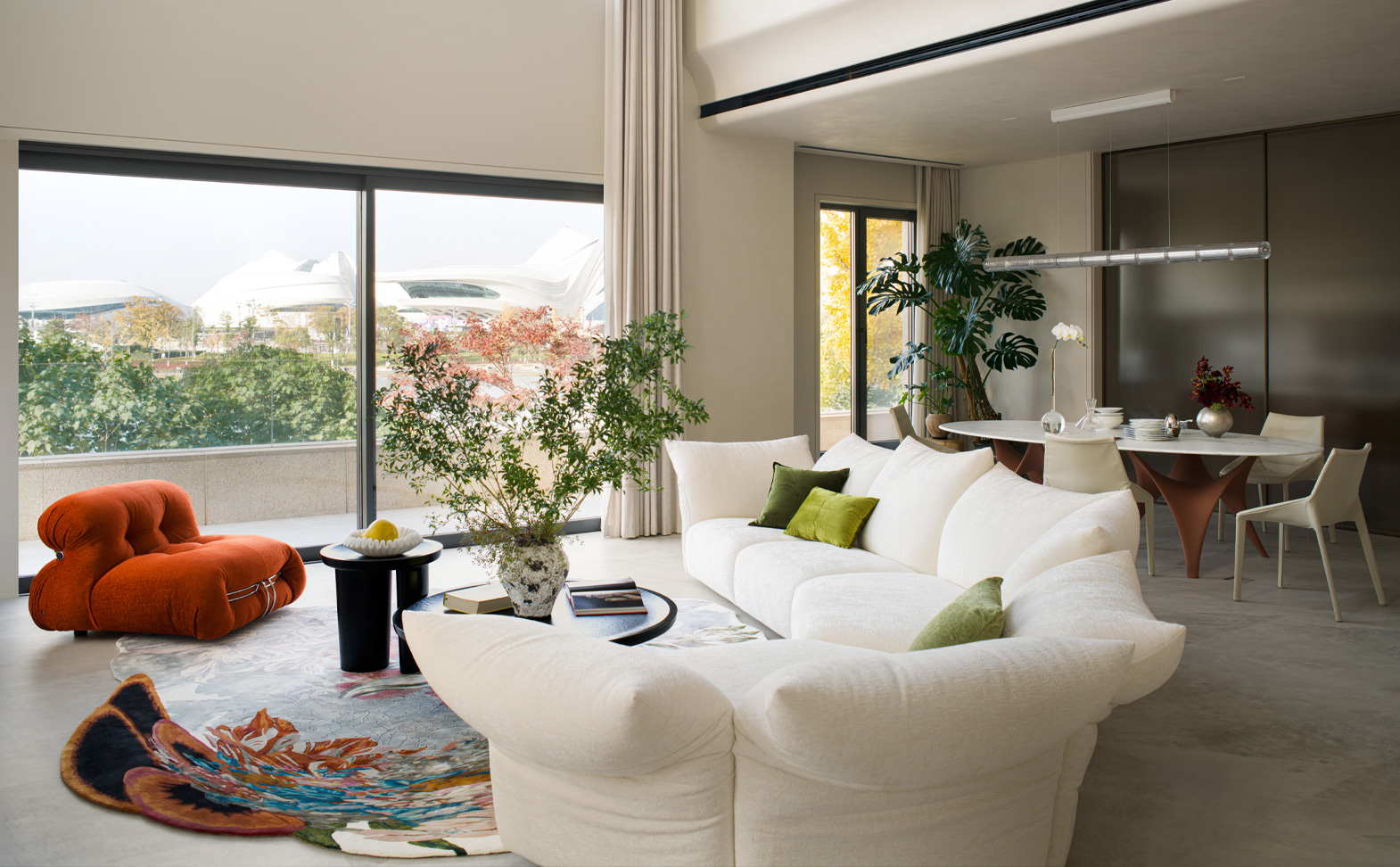
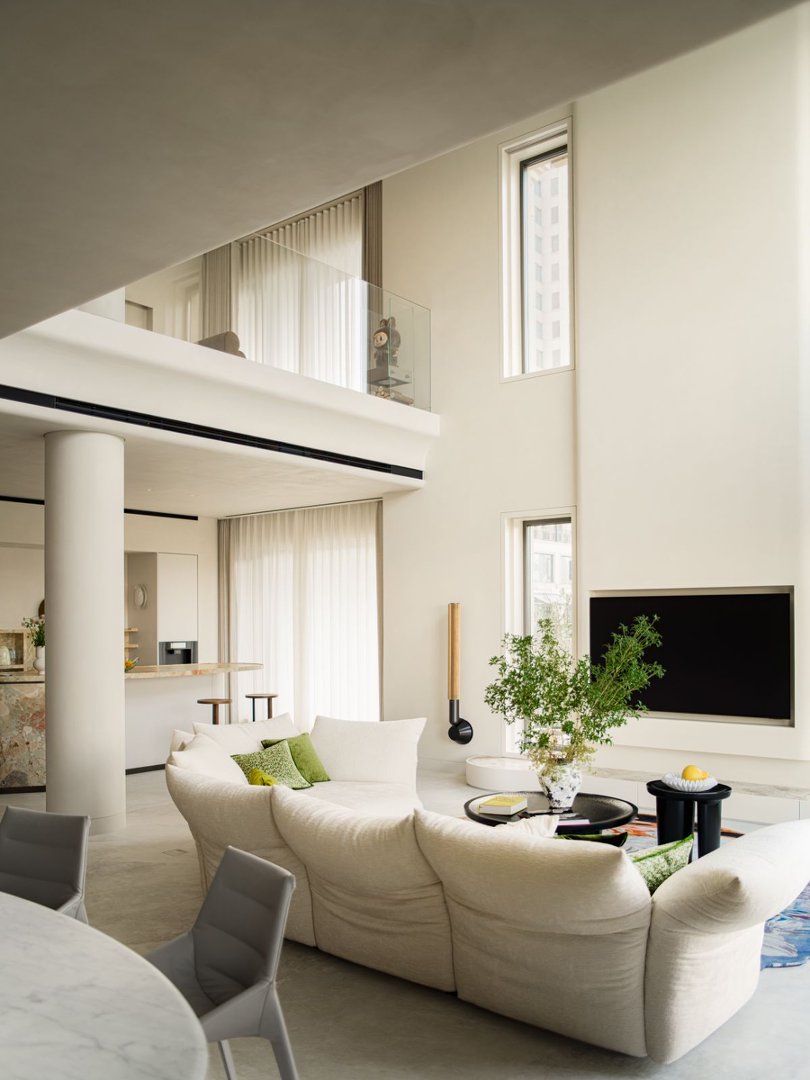
The four main levels unfold with distinct rhythms: the basement is warm and intimate, housing a gym, a dining room for formal hospitality, and a tea room, forming a self-contained social hub akin to a private club. The ground floor is modern and open; a double-height living room, family dining area, and bar seamlessly connect into a fluid public zone, the heart of family congregation. The second floor belongs to the daughter’s family, while the third comprises independent suites for the elders. Woodwork and textiles reinterpret Eastern living quarters.
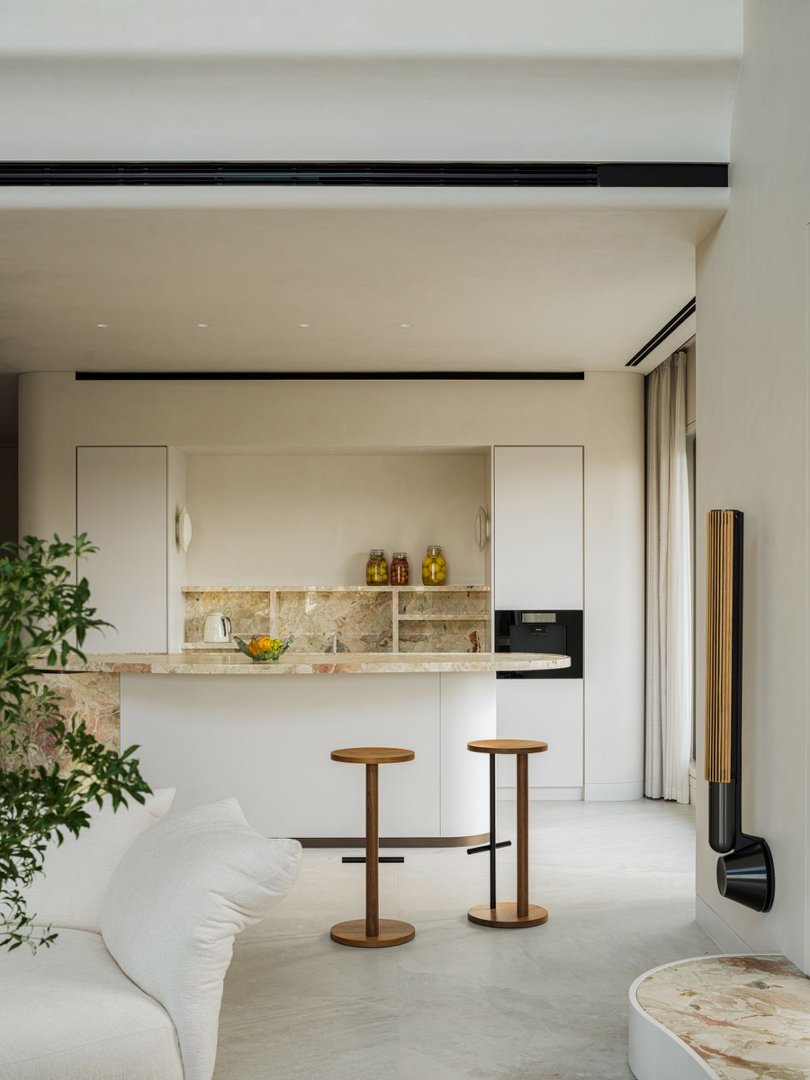
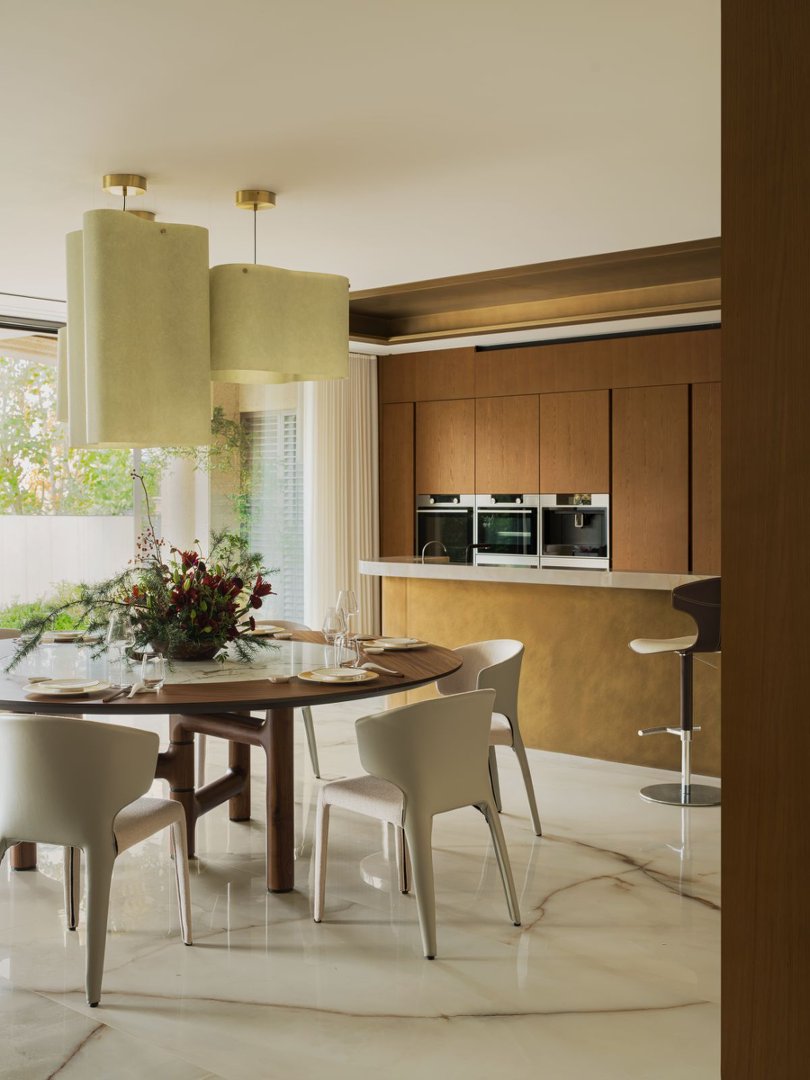
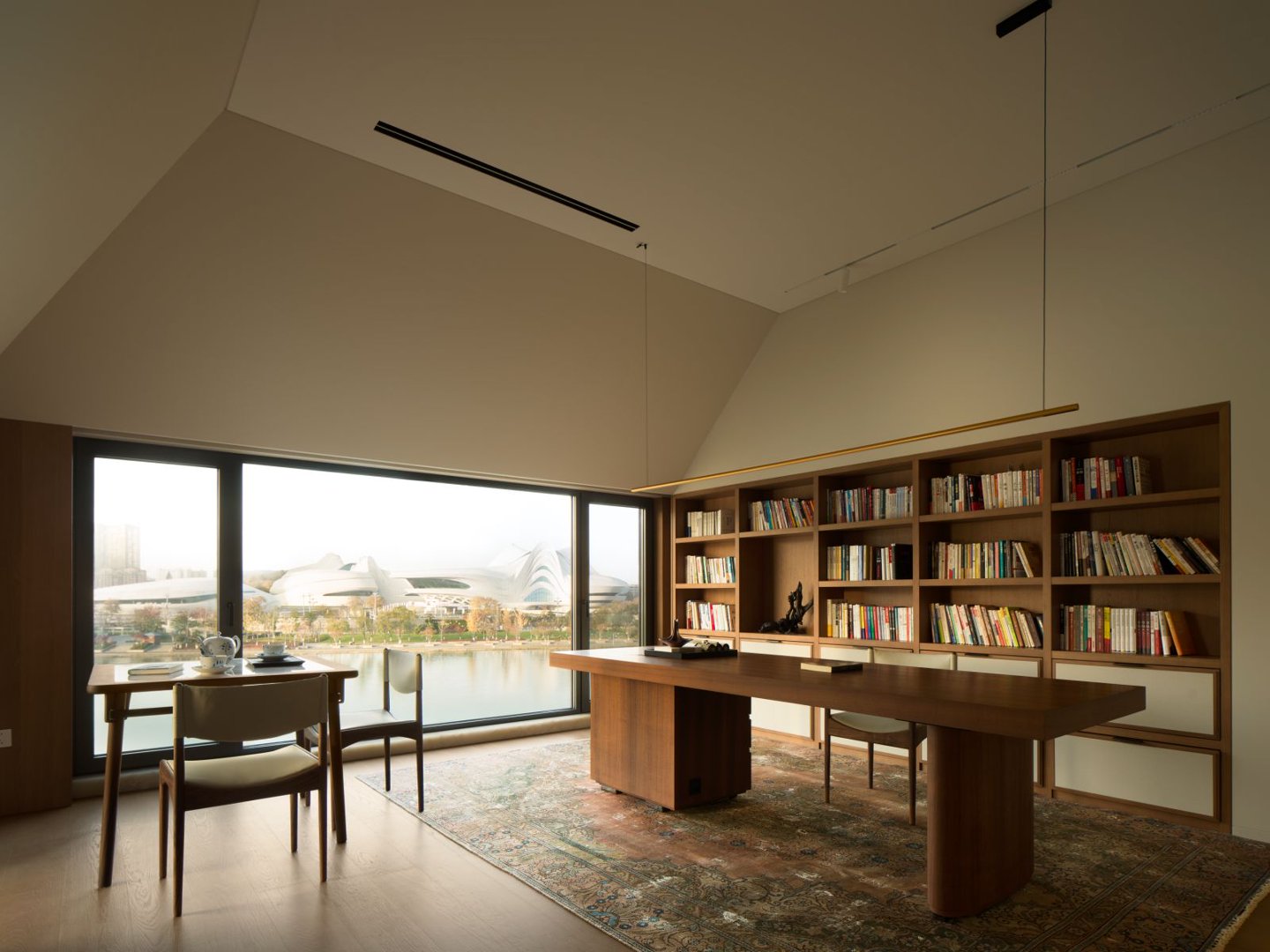
Blessed with exceptional natural scenery, the design follows the principle of natural spontaneity — reading the landscape first, then intervening: Looking north from the villa, the emerald Meixi Lake lies like an unpolished jade inlaid within the city, with the theater complex by Zaha Hadid Architects anchoring the composition. The family dining area and the father’s suite both open generously toward this expanse. Rippling westward, the lake extends to the horizon, fully visible from the second-and third-floor terraces, which offer tranquil views of shifting tree shadows and shimmering light. Gardens grace both the north and south sides. Through expansive floor-to-ceiling windows, the natural scenery and city skyline become extensions of the home and a backdrop to daily life, together dissolving any dim corners.
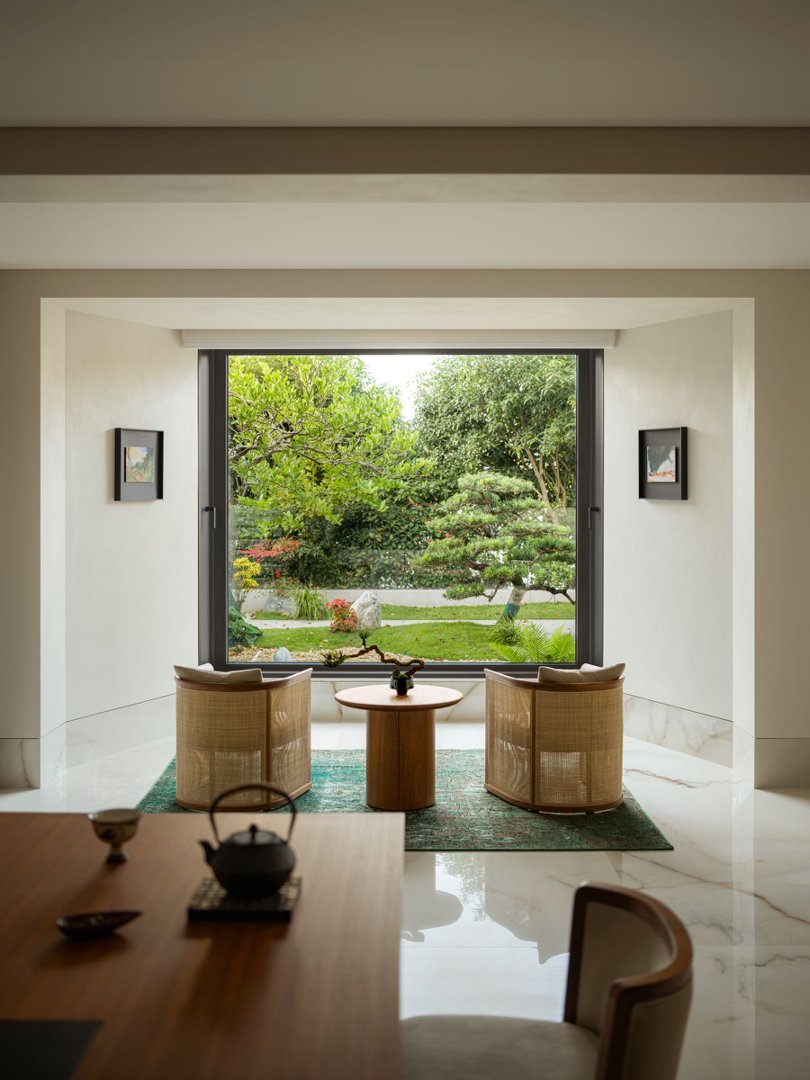
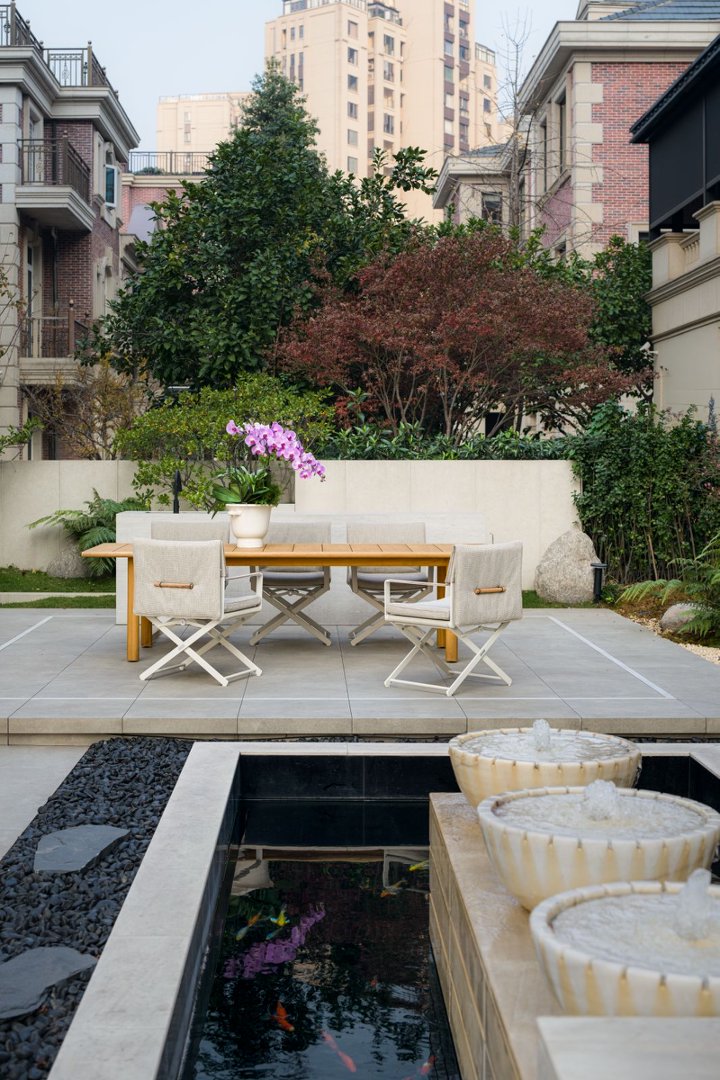
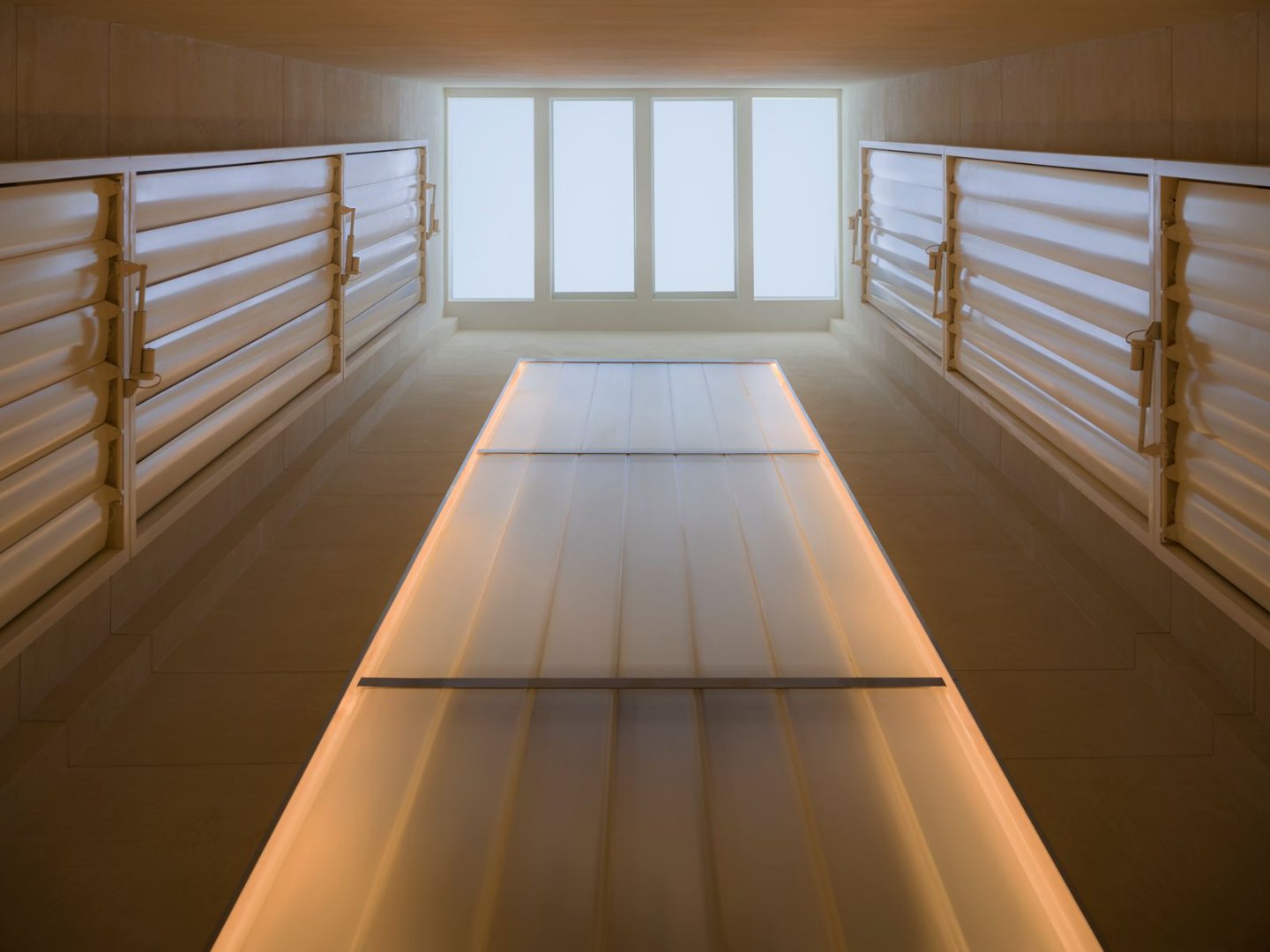
In traditional Eastern courtyards, the skywell draws in light, wind, and rain, allowing inhabitants to observe the heavens and sense the seasons within their walls. Rather than sealing the skywell for maximum enclosure, the design honors tradition by preserving it as the Qi Yan—a living aperture that channels the flow of Qi between heaven, earth, and habitation. Specially designed external louvers can be adjusted to multiple angles, ingeniously meeting needs for sunshading, ventilation, and privacy. These blades act like a breathing skin for the building, casting rhythmic, swaying patterns of light and shadow. This approach—first solving practical issues with architectural language, then allowing function to naturally reveal its beauty—is what 8C terms “the everyday poetics of architecture and function.” At its core, it embodies the Eastern wisdom of Wu Wei (effortless action), working in harmony with nature and rejecting all forms that strain against its inherent character.
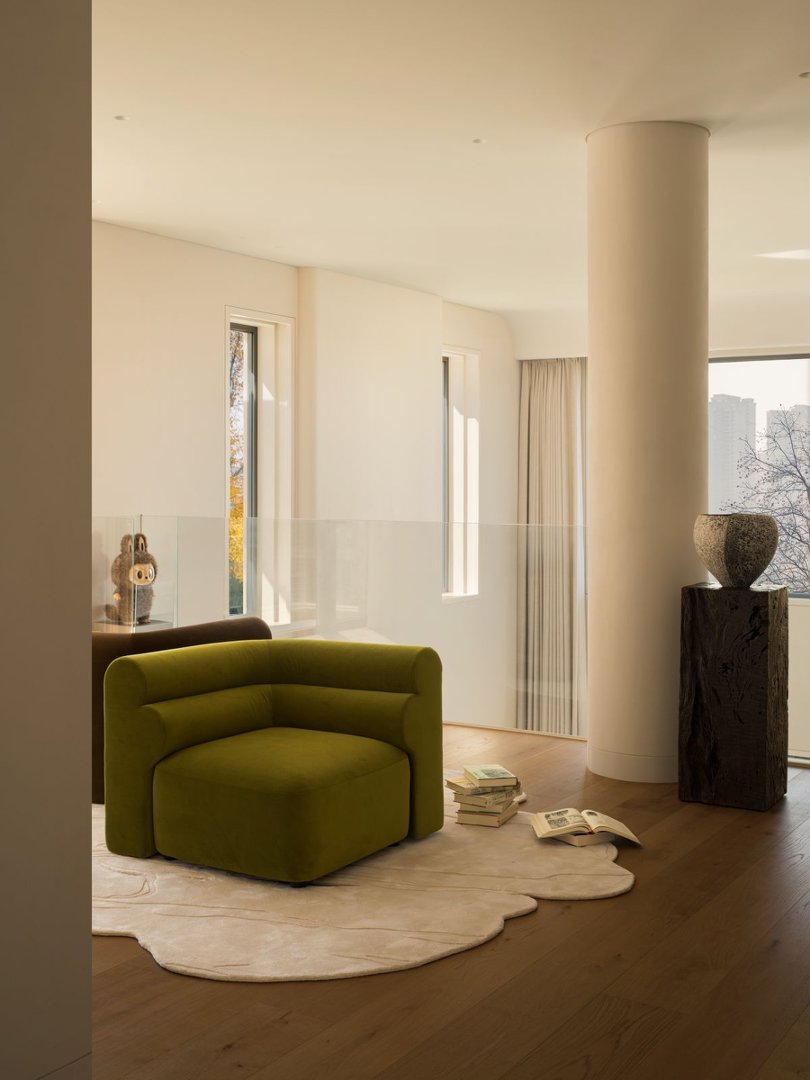
The designer integrated reading nooks on every floor for all three generations, nurturing the family ethos with the scent of books. The quietest top floor is entirely dedicated as a spiritual retreat for the elders, subtly establishing a contemporary interpretation of generational order through the allocation of resources.
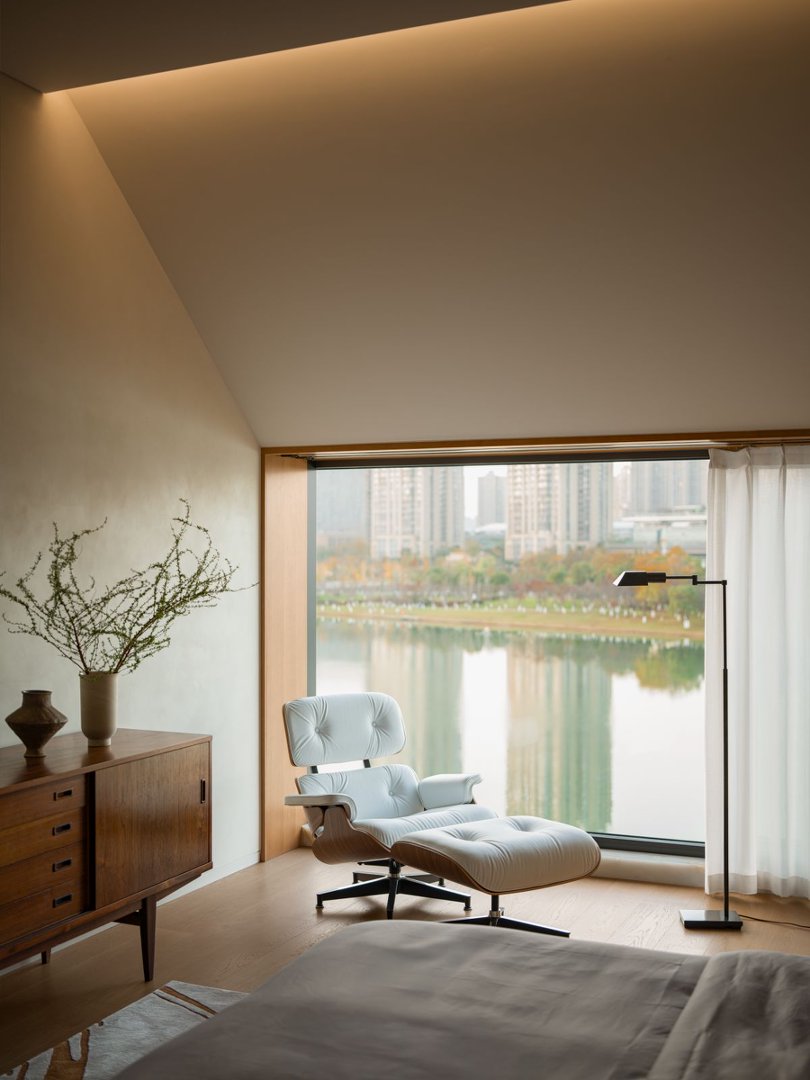
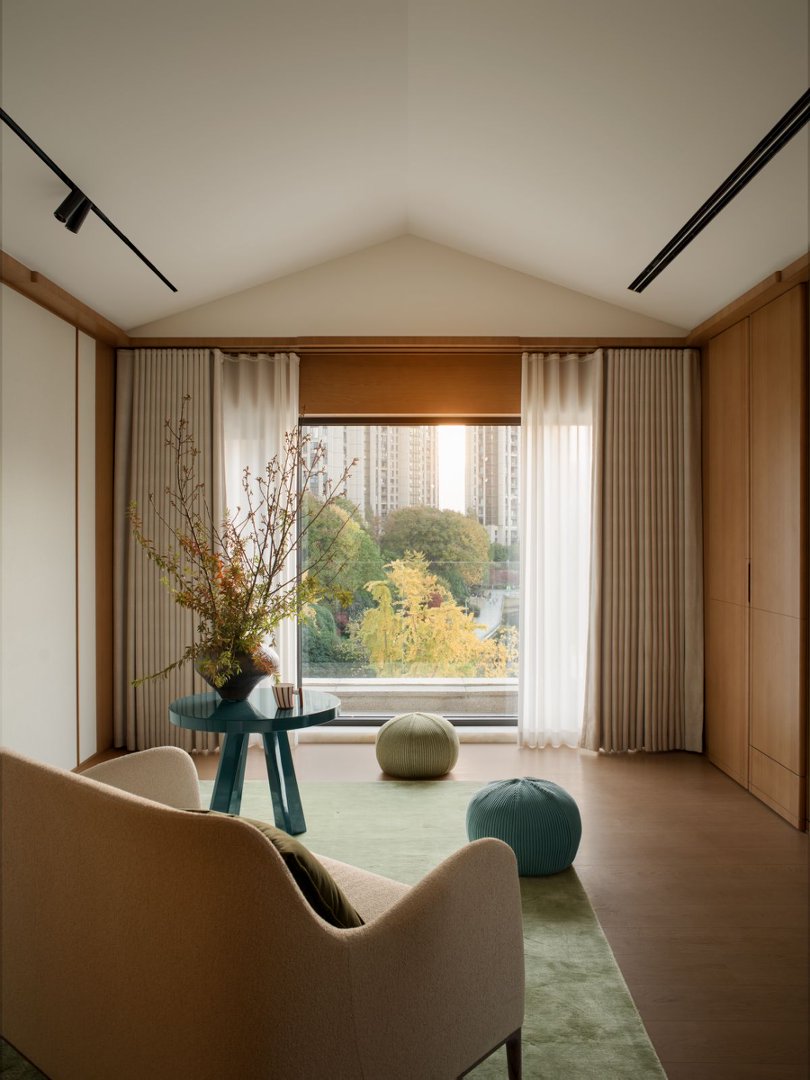
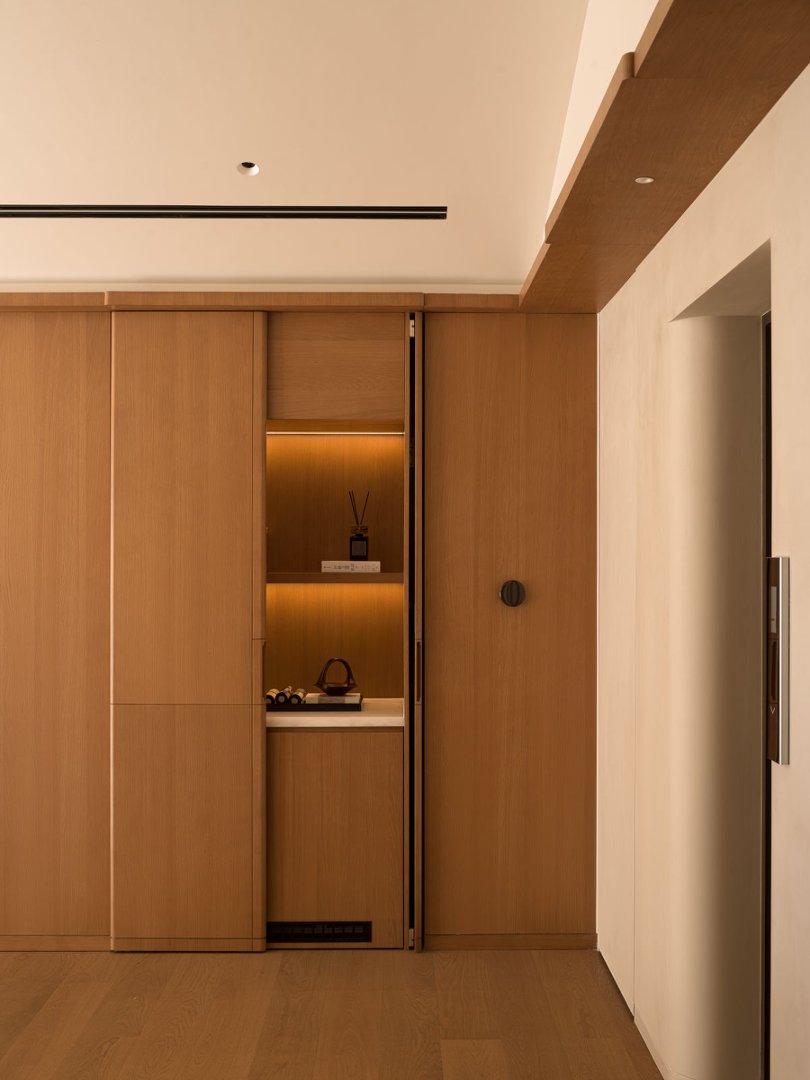
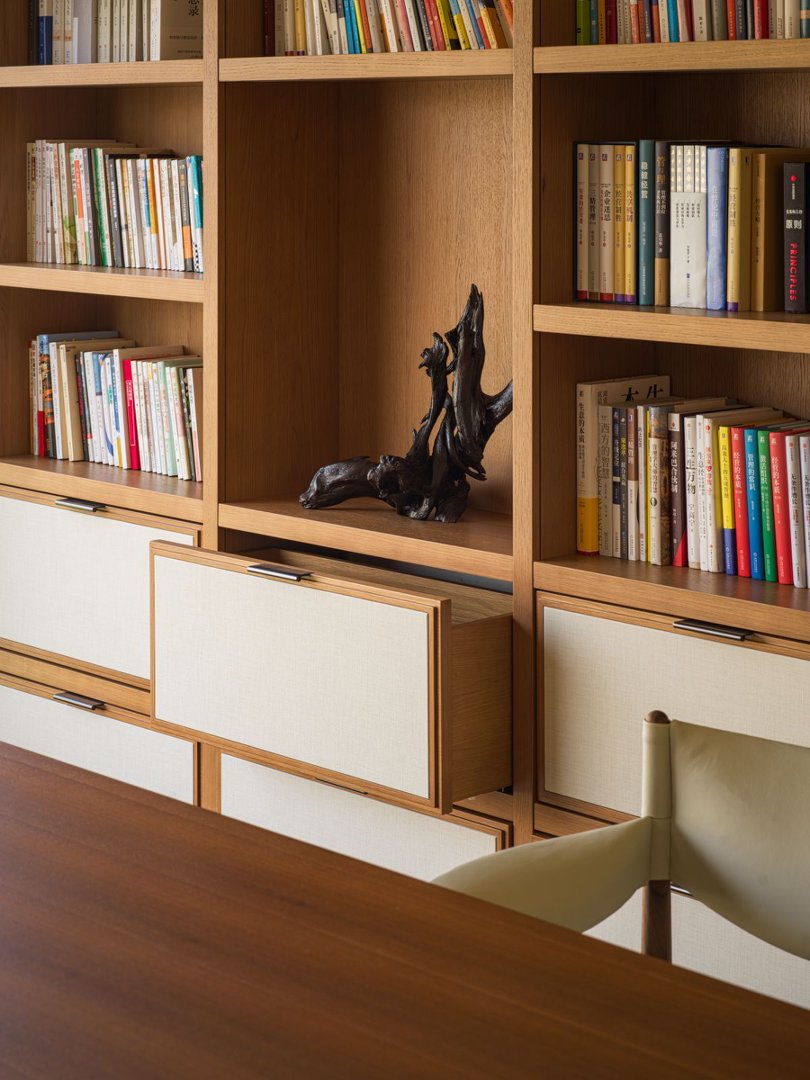
Every morning at five, the father rises for tea, a swim, and reading. His study evokes the serene atmosphere of a traditional scholar’s studio. A full wall of shelves and a long timber desk, the former crafted from wood-wrapped fabric, form the heart of the space, where the innate warmth of wood is further amplified. Specially designed storage cabinets echo the elegant lines of Ming-style narrow hutches. Lowered windows allow one, when seated, to gaze horizontally toward the distant waterscape, as if sitting within the view itself, expanding the mind through the Eastern artistic concept of "level-distance" serenity.
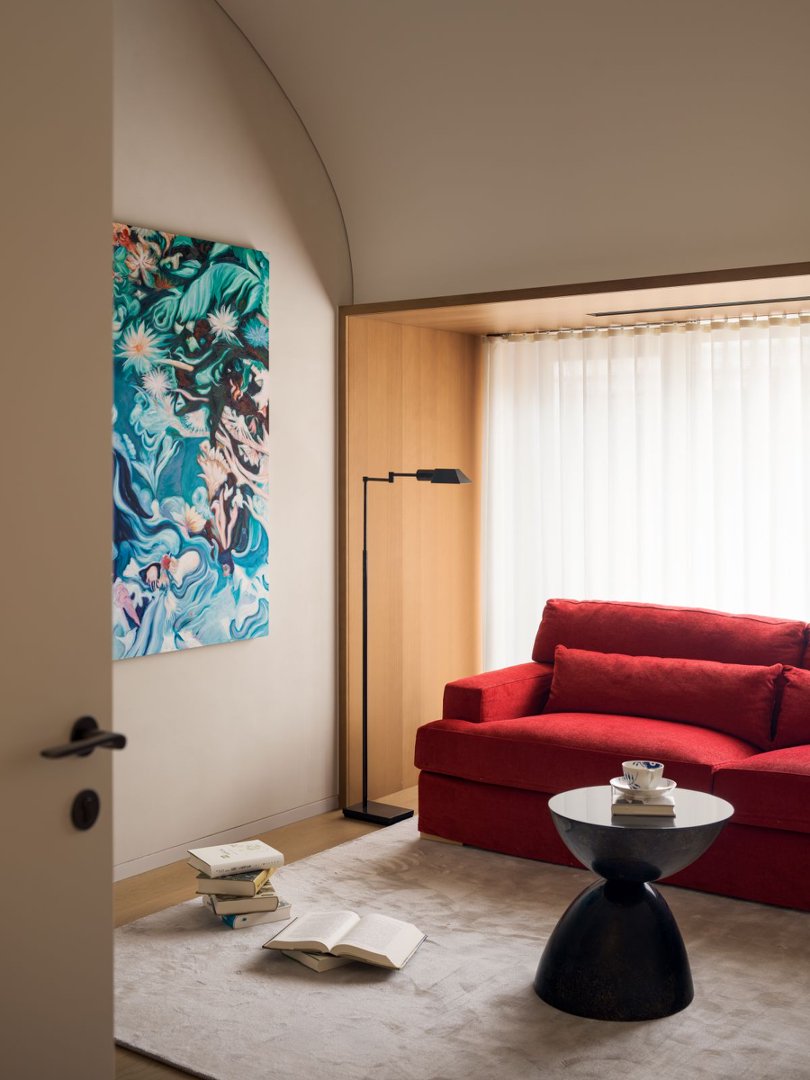
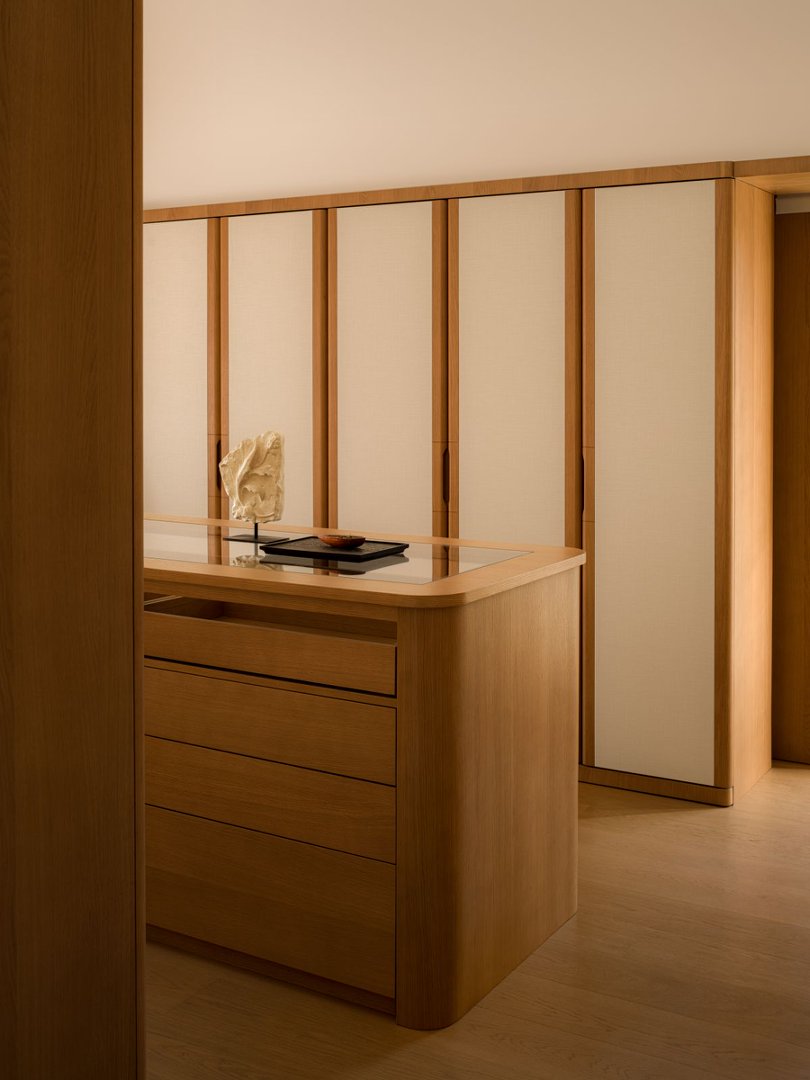
If the socially vibrant, Qi-permeated zones of the basement and ground floor reimagine the Dakai (expansive opening) sequence of “courtyard–skywell–main hall” found in traditional compounds, then the multiple corners intended for solitude on the second and third floors offer a nuanced response to the need for Dahe (introspective containment)—for cultivated solitude and inner reflection—accommodating many moments of personal retreat.
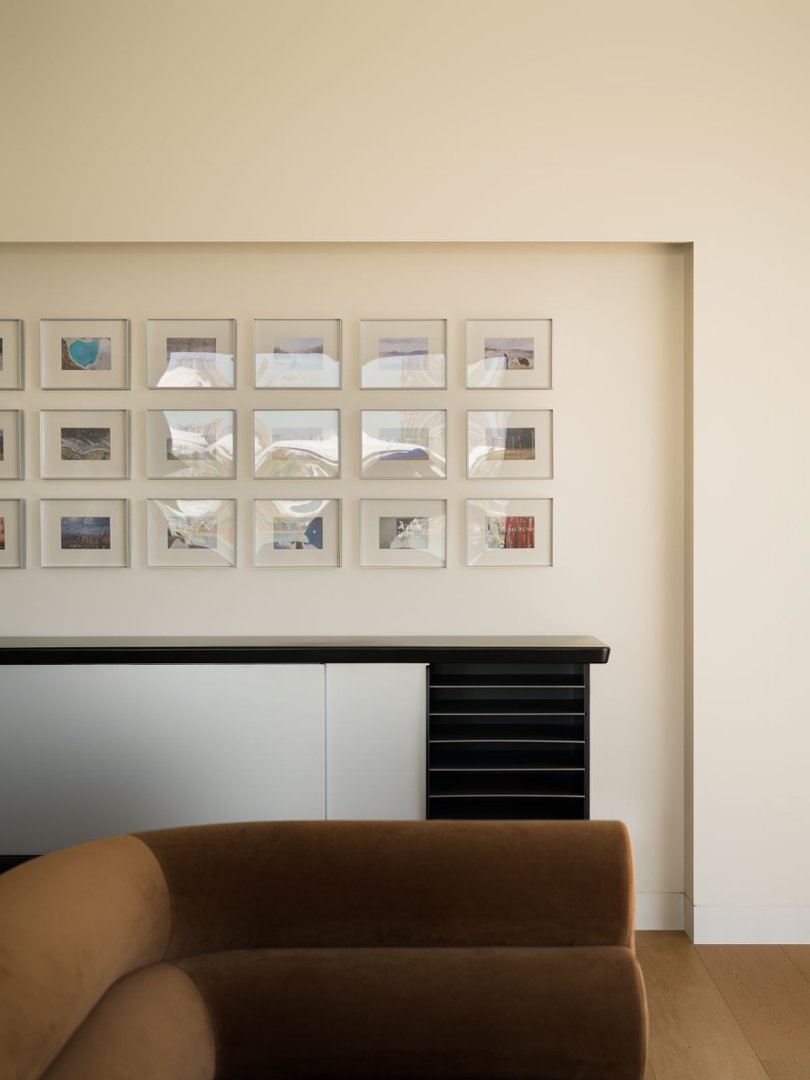
In the living room that serves the daughter’s family on the second floor, two armchairs are placed back-to-back, a simple, fresh expression of both independence and togetherness. The daughter’s photographs on the walls trace the passage of time. On the third floor, the designer integrated washing, drying, ironing, and storage into a fully wooden walk-in wardrobe. Here, tending to clothing becomes a gentle ordering of the inner self. This functional yet spiritual mini-sanctuary preserves a buffer for the mother amid daily busyness, effectively filtering out both external and internal noise.
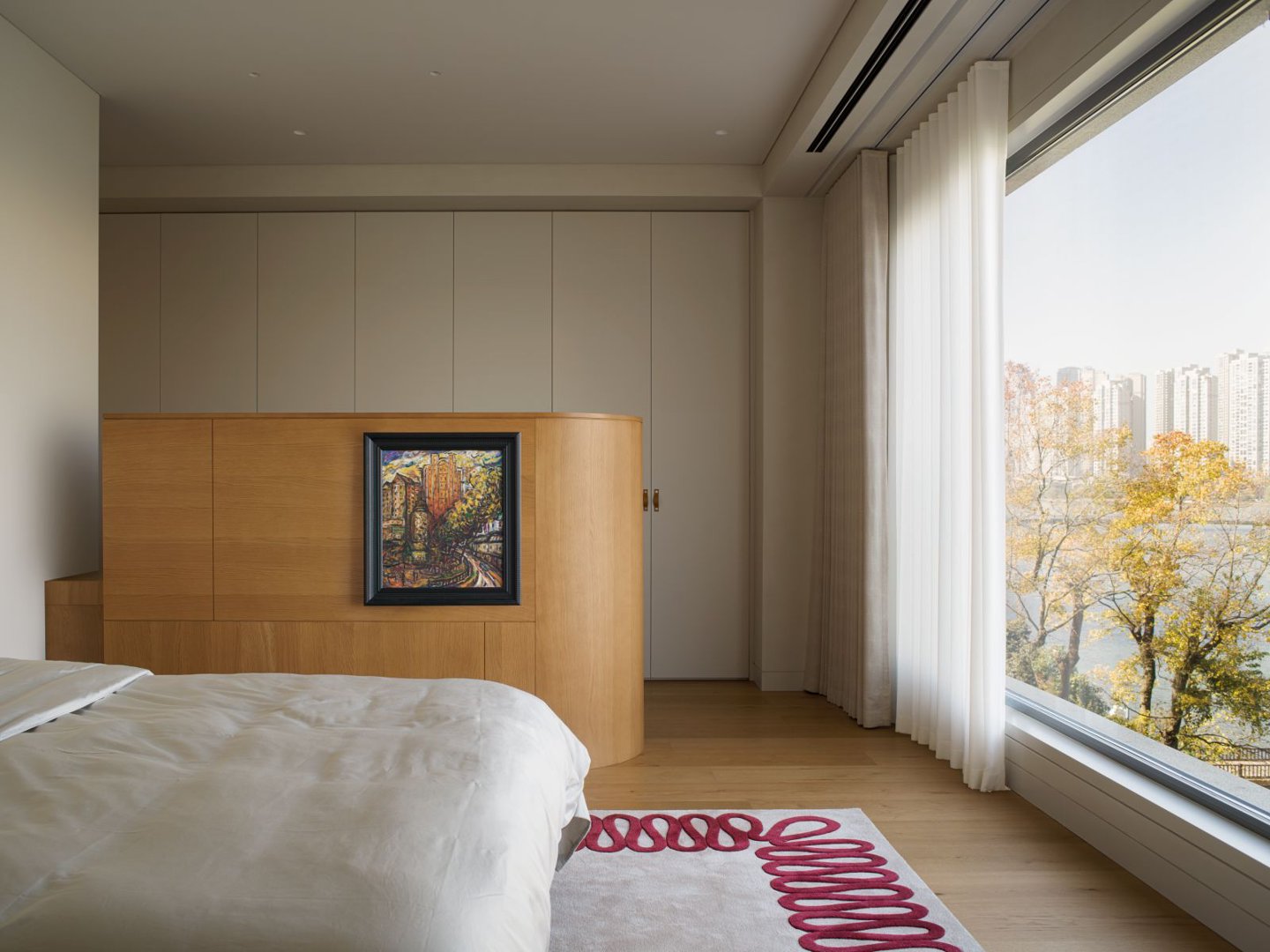
Materials rich in Eastern sensibility—warm wood and jade, soft fabrics, understated bronze—are harmoniously applied. Considering Changsha’s humid climate, the basement floor is paved with jade stone slabs, and bathroom vanities are crafted from jade, ensuring the space’s durability and vitality.
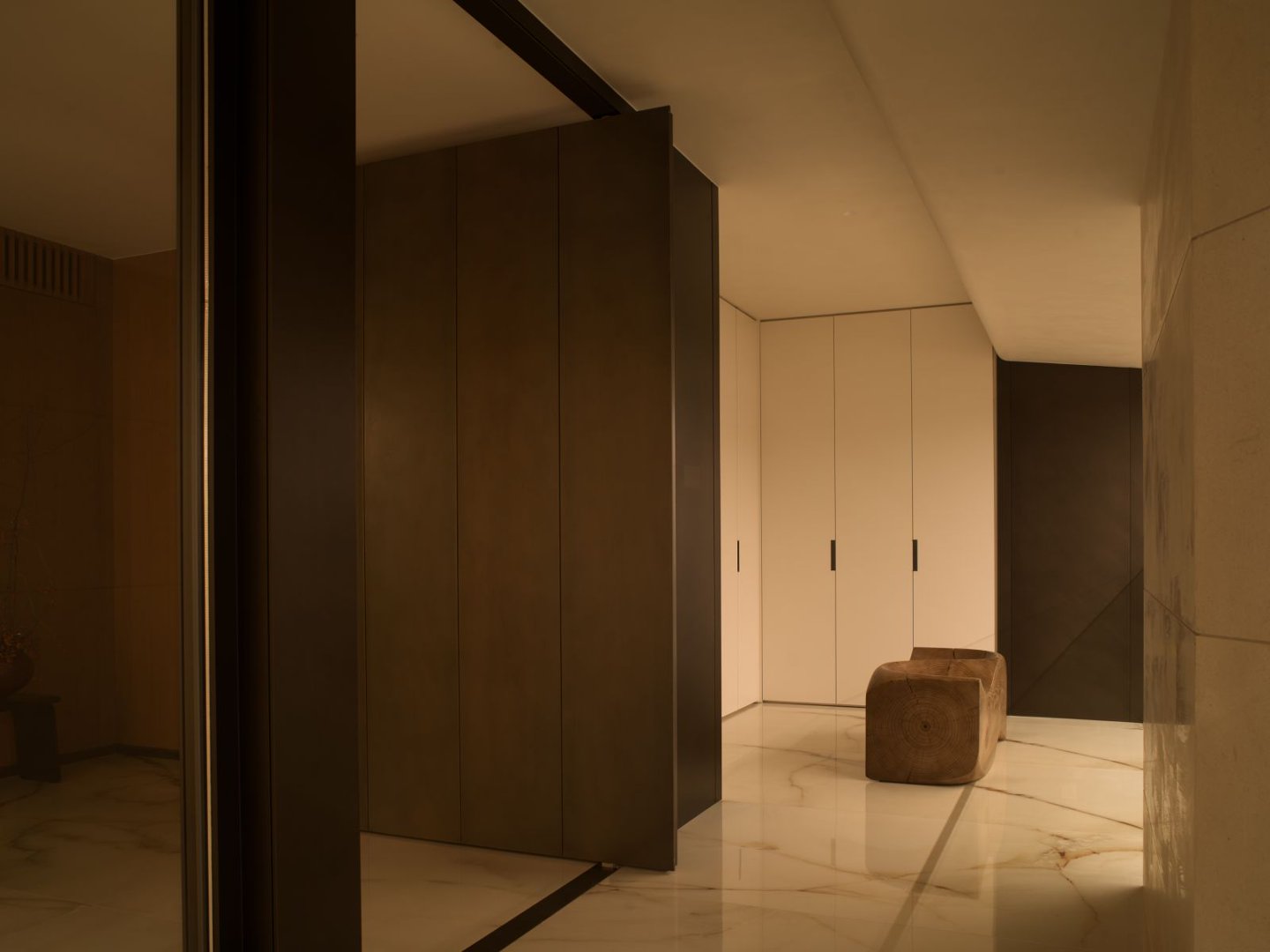
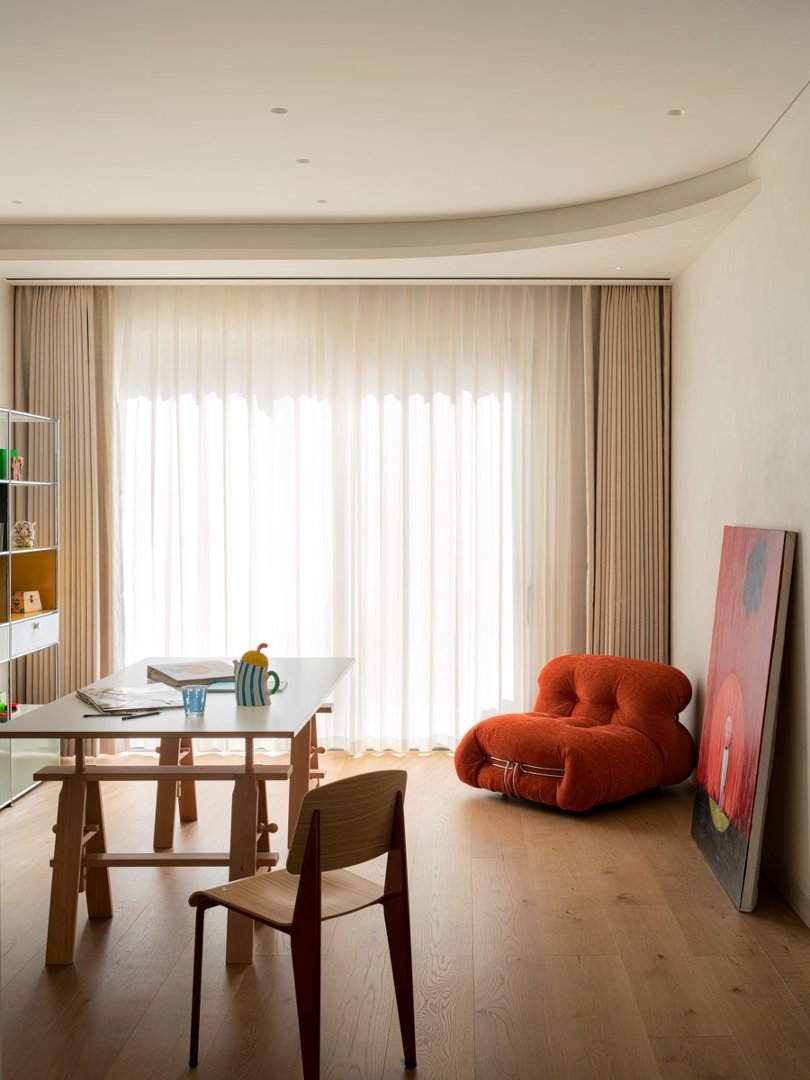
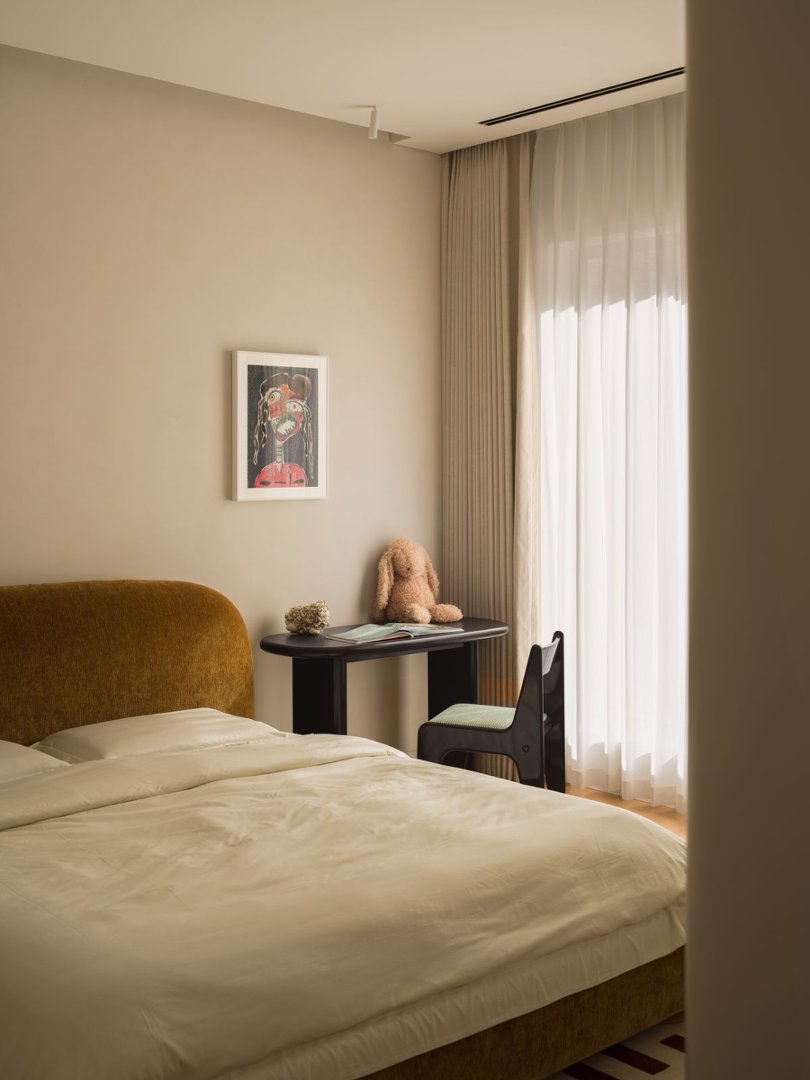
The color palette is restrained, with ample breathing room. The selection of furniture reflects an almost obsessive consideration. In the father’s study, the chair legs were shortened centimeter by centimeter for optimal seating comfort; a child’s desk adjusts in height as they grow… every form yields to genuine need.
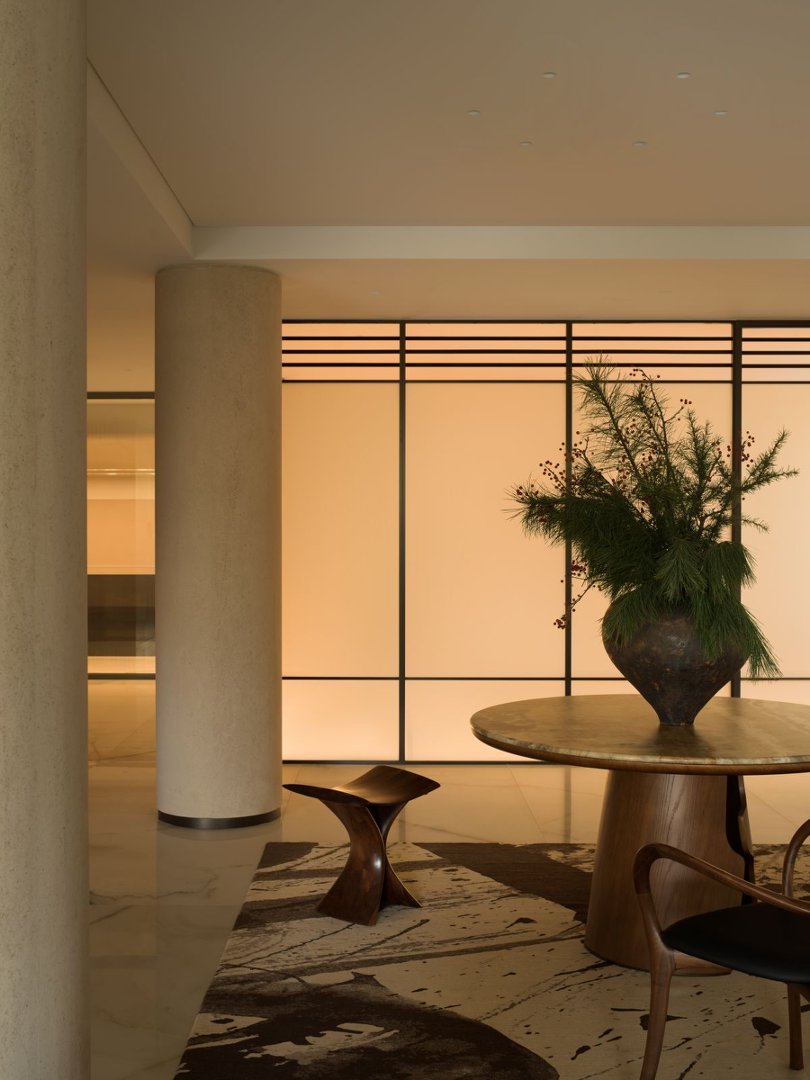
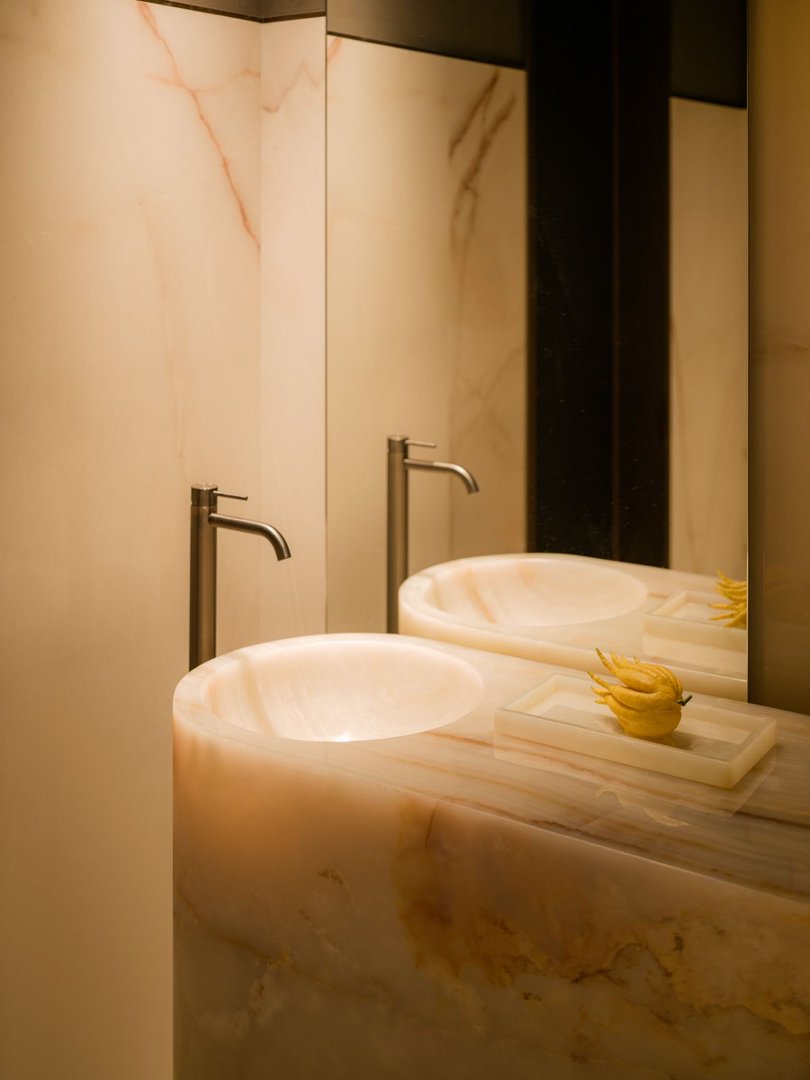
The residence ultimately embodies a manner that is pragmatic yet aesthetic, reserved yet light and comfortable. A gentle, Wu Wei Eastern sensibility forms its foundation, resonating with the owners’ temperate, refined spirit. Over time, it will slowly reveal its patina, like jade acquiring a deeper lustre. It also quietly responds to a contemporary spiritual pursuit: to cast aside extravagance, to nurture body and mind with grounded sincerity, and to return to a state of authentic being.
8C Design — Shanghai Studio
P :
……Stay Tunsd……
8C Design — Shenzhen Studio
P :
A : 5A13,SINOSTEEl Building,Nanshan District,Shenzhen
8C Design — Ningbo Studio
P :
A : 119 Yongfeng Road, Gulou Street, Haishu District, Ningbo
8C Design — Changsha Studio
P :
A : 1F, TOP SAN HSIANG, Xiaoxiang North Road, Yuelu District, Changsha
COPYRIGHT (©) 2026 8C八奢设计 | 浙ICP备20012959号SUPPORT
